
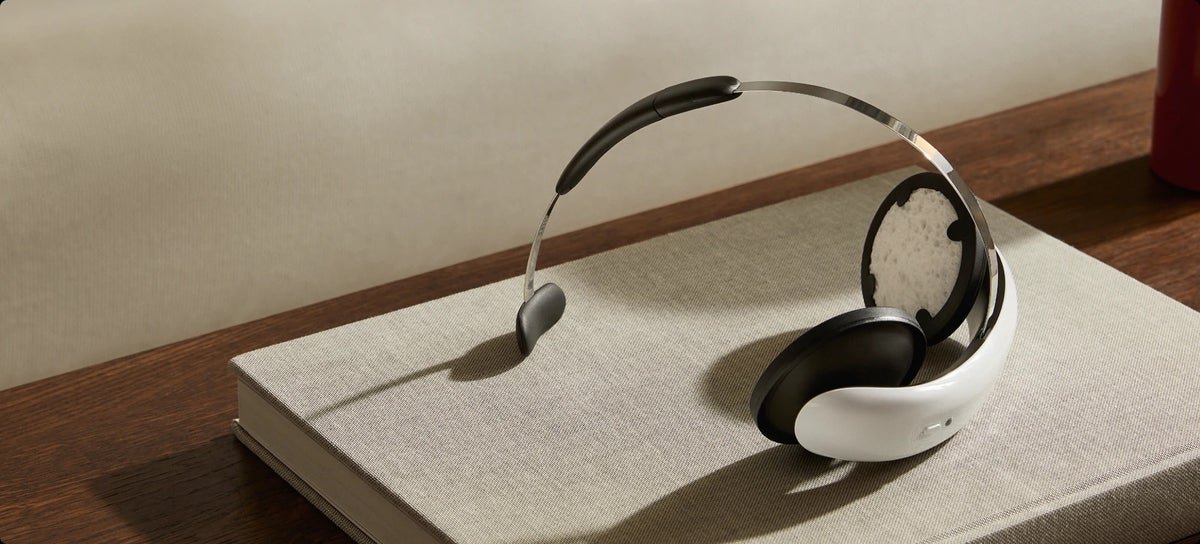

U.S. Approves First Device to Treat Depression with Brain Stimulation at Home
The FDA has approved a device that aims to treat depression by sending electric current into a part of the brain known to regulate mood
In a first, this week the U.S. Food and Drug Administration approved a brain stimulation device designed to treat depression at home. The approval of the first such device for home depression treatment expands therapeutic options for depression beyond drugs.
Made by Flow Neuroscience, the device is worn as a headset that delivers electric current to a part of the brain called the dorsolateral prefrontal cortex, which is known to be implicated in mood disorders and depression. The technique, known as transcranial direct current stimulation (tDCS), has its skeptics. A 2023 trial published in the Lancet found tDCS to be no better than a placebo for treating depression, while other investigations, including trials funded by Flow Neuroscience, have shown some benefit.
Key to the FDA approval was a 2024 phase 2 trial involving 174 people. Participants who wore the headset for 30-minute sessions over 10 weeks reported experiencing significant relief from their depression symptoms compared with controls who did not use the headset. In a document summarizing the data backing its decision, the FDA said that the headset’s benefit, “while modest, is sufficient to outweigh its probable risk.” The agency pointed to headaches and skin irritation as among the possible risks of the device.
On supporting science journalism
If you’re enjoying this article, consider supporting our award-winning journalism by subscribing. By purchasing a subscription you are helping to ensure the future of impactful stories about the discoveries and ideas shaping our world today.
“Flow’s FDA approval is a watershed moment for the treatment of depression: the first step in moving from pharmaceutical treatments to tech-based therapies with minimal side effects,” said Erin Lee, Flow Neuroscience’s CEO, in a recent statement.
The FDA’s approval will make the headset available by prescription to treat moderate to severe major depressive disorder in adults. The company is negotiating with health insurance providers over possible coverage for the device, which is likely to cost between $500 and $800, according to Reuters.
It’s Time to Stand Up for Science
If you enjoyed this article, I’d like to ask for your support. Scientific American has served as an advocate for science and industry for 180 years, and right now may be the most critical moment in that two-century history.
I’ve been a Scientific American subscriber since I was 12 years old, and it helped shape the way I look at the world. SciAm always educates and delights me, and inspires a sense of awe for our vast, beautiful universe. I hope it does that for you, too.
If you subscribe to Scientific American, you help ensure that our coverage is centered on meaningful research and discovery; that we have the resources to report on the decisions that threaten labs across the U.S.; and that we support both budding and working scientists at a time when the value of science itself too often goes unrecognized.
In return, you get essential news, captivating podcasts, brilliant infographics, can’t-miss newsletters, must-watch videos, challenging games, and the science world’s best writing and reporting. You can even gift someone a subscription.
There has never been a more important time for us to stand up and show why science matters. I hope you’ll support us in that mission.

