

Wildfire breaks out in Chernobyl exclusion zone
A fire covering at least five square miles burned through the exclusion zone around the site of the world’s worst nuclear disaster on Friday after two drones crashed into the area
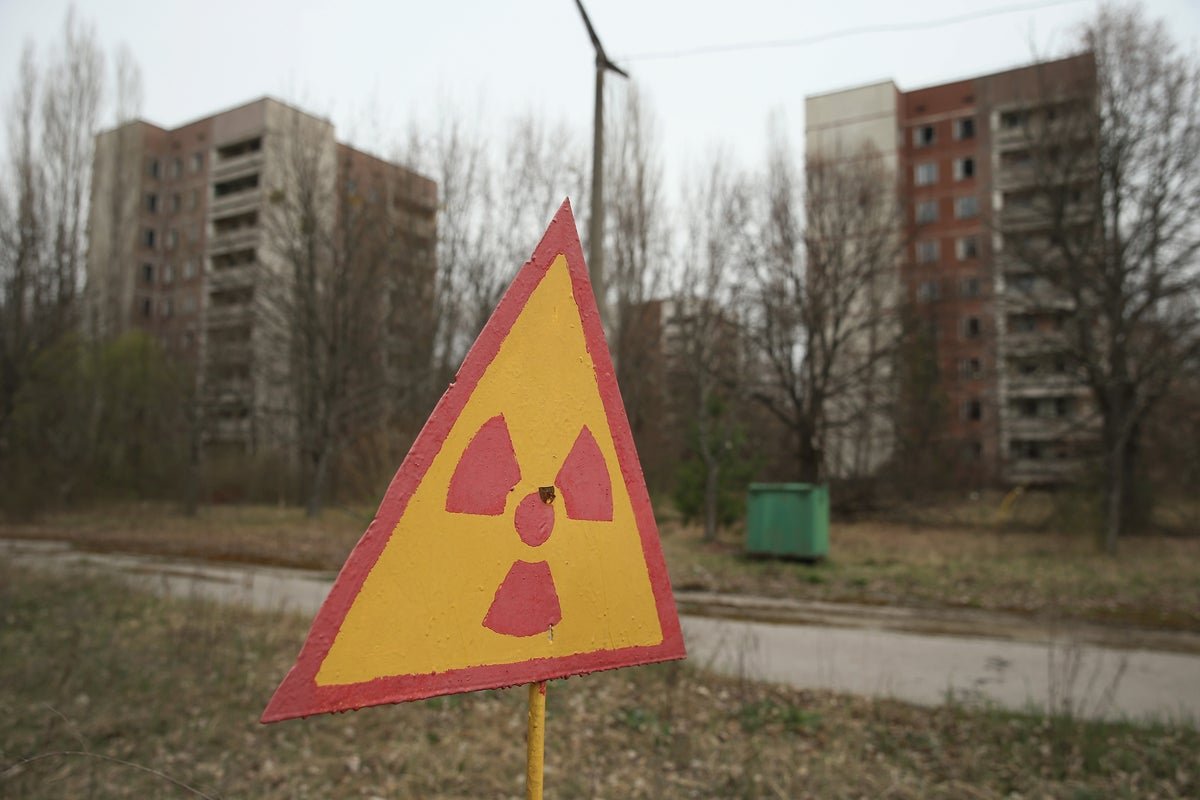
Photo by Sean Gallup/Getty Images
A wildfire spanning at least five square miles broke out inside the Chernobyl exclusion zone on Friday after two drones crashed near the site of the world’s worst nuclear disaster, according to Ukrainian authorities.
Firefighters are working to contain the blaze, and officials said radiation levels are currently within normal limits, according to multiple news reports.
The origin of the drones was unclear, but the French news agency AFP quoted Vyacheslav Chaus, governor of the neighboring Chernihiv region in Ukraine, as saying that Russian craft have been constantly hovering over the area and impeding the fire response. (Chaus also said the blaze was around 15 square miles, larger than other official reports.)
On supporting science journalism
If you’re enjoying this article, consider supporting our award-winning journalism by subscribing. By purchasing a subscription you are helping to ensure the future of impactful stories about the discoveries and ideas shaping our world today.
Throughout the war in Ukraine, the nation has accused Russia of reckless attacks on its nuclear sites, including Chernobyl. A Russian drone strike in 2025 has left the massive protective steel dome over Chernobyl’s Reactor No. 4 damaged for more than a year, although radiation levels have appeared normal. This was the reactor that exploded on April 26, 1986, and sent radioactive fallout across Europe.
The blast killed two engineers instantly, while dozens more workers at the plant became sick and died because of radiation exposure over the proceeding decades. Thousands of cases of cancer in people living near the plant have also been tied to radiation from the explosion. The United Nations estimates that, all told, thousands of people have died or will die as a result of the disaster.
The Chernobyl reactors are surrounded by a 1,000-square-mile exclusion zone. Concerns for wildfires there have risen after Russia invaded Ukraine in 2022, particularly because the area is filled with large amounts of dead trees and debris that can readily burn. Fires there can release the radioactive materials stored in plants and animals, potentially over large distances if a blaze grows large enough.
It’s Time to Stand Up for Science
If you enjoyed this article, I’d like to ask for your support. Scientific American has served as an advocate for science and industry for 180 years, and right now may be the most critical moment in that two-century history.
I’ve been a Scientific American subscriber since I was 12 years old, and it helped shape the way I look at the world. SciAm always educates and delights me, and inspires a sense of awe for our vast, beautiful universe. I hope it does that for you, too.
If you subscribe to Scientific American, you help ensure that our coverage is centered on meaningful research and discovery; that we have the resources to report on the decisions that threaten labs across the U.S.; and that we support both budding and working scientists at a time when the value of science itself too often goes unrecognized.
In return, you get essential news, captivating podcasts, brilliant infographics, can’t-miss newsletters, must-watch videos, challenging games, and the science world’s best writing and reporting. You can even gift someone a subscription.
There has never been a more important time for us to stand up and show why science matters. I hope you’ll support us in that mission.

