
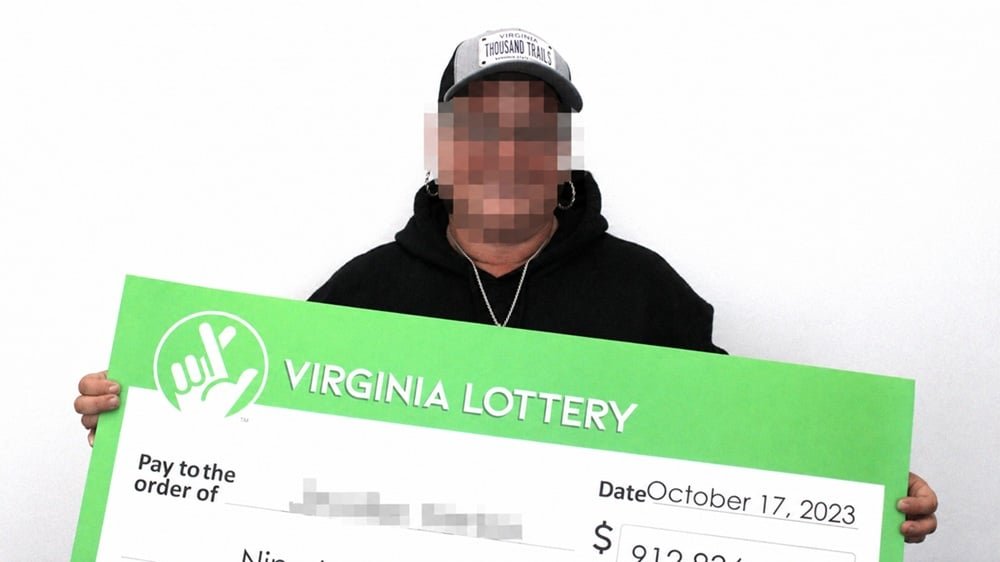
Virginians can now claim lottery wins anonymously, regardless of the size of the prize, thanks to the passage of a new law designed to protect identities.
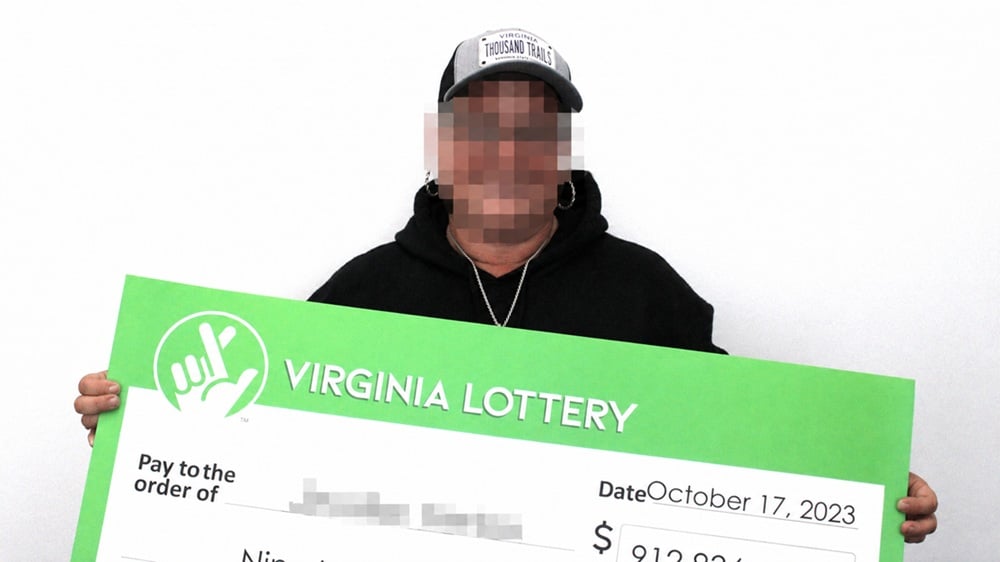
From July 1, the lottery will no longer publish the names of winners on its website or photograph them holding outsized novelty checks, unless they consent in writing.
The change also means the Lottery will stop publishing the names of Lottery Rewards and second-chance winners on its website, notifying those winners privately by email after drawings instead.
The state first allowed lottery winners to remain anonymous in 2019, but only for prizes of $10 million or more, later lowering the threshold to $1 million in July last year. This allowed one lucky Virginian to collect the state’s all-time biggest lottery prize incognito in August 2025, a $348 million Mega Millions jackpot. Now the threshold has been scrapped entirely.
Transparency Argument
Currently, 24 lottery jurisdictions provide at least some form of anonymity, though only about a dozen allow all winners to remain anonymous. Many impose prize thresholds or other conditions.
However, many states have laws that dictate a winner’s name, hometown, and prize amount become public information.
The main rationale for this is public trust. State lotteries are government-run or government-authorized enterprises, and lawmakers have long argued that transparency is needed to demonstrate to the public that jackpots are actually being won fairly rather than fabricated.
But it’s also good for business. The publicity generated by a big jackpot win usually results in a spike in lottery sales for the subsequent draw.
The trend towards anonymity has grown over the past decade because of concerns about winners’ safety and privacy. Publicly identified winners can become targets for scammers, extortionists, freeloaders, and even violent criminals.
Blood Money
In 2006, Florida laborer Abraham Shakespeare won a $31 million lottery jackpot. Three years later, he was found buried beneath a concrete slab after being murdered by a woman who had befriended him to gain access to his fortune.
A decade later, in 2016, Georgia resident Craigory Burch Jr. was fatally shot during a targeted home invasion just weeks after winning a $434,272 lottery jackpot.
“Don’t advertise it. Don’t tell too many people you won. If your name’s out there, everyone comes out. Not only family you haven’t spoken to in a long time, but charities. Mostly good. But some are bogus.”
Those were the words in January 2020 of Jason Kurland, who billed himself as America’s foremost “lottery lawyer,” advising some of the nation’s biggest winners. Just six months later, he was arrested in a $107 million fraud scheme and was ultimately sentenced to 13 years in federal prison for stealing from the very lottery winners he claimed to protect.

