
Posted on: May 6, 2026, 11:59h.
Last updated on: May 6, 2026, 11:59h.

- Stockton University says Atlantic City casinos remain a key factor in the New Jersey economy
- About one in three employed people living in Atlantic City works at one of the nine casino resorts
- Gaming generated $1.1 billion in taxes and fees during the 2025 fiscal year
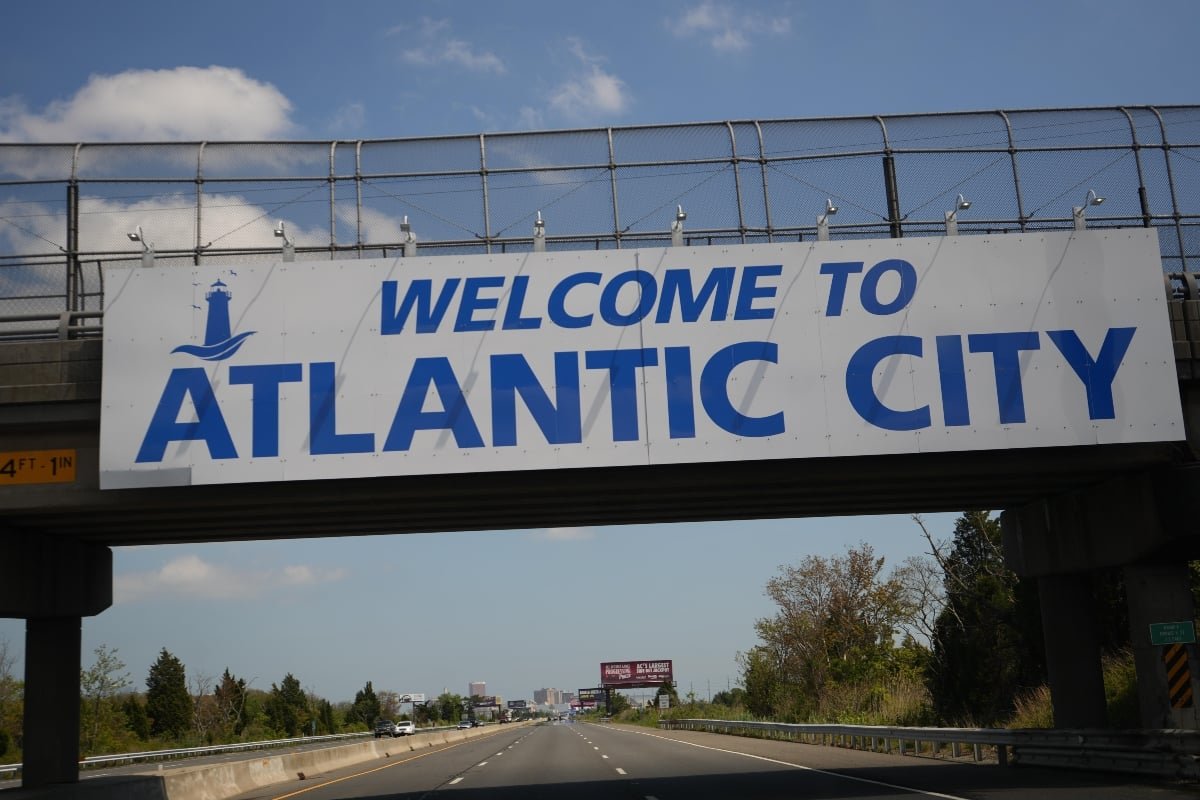
A new report highlights how Atlantic City and its nine casinos benefit not only South Jersey but the Garden State as a whole. The findings come as competitive threats emerge in downstate New York where a full-scale casino with slot machines and live dealer table games recently opened in Queens.
Today, Stockton University’s Lloyd D. Levenson Institute of Gaming, Hospitality & Tourism (LIGHT) published its “2025 Impact: Atlantic City Casino Industry.” The third installment of the annual report shines a light on how casino gambling down the shore and online benefit the New Jersey economy.
In the 2025 fiscal year (July 2024 through June 2025), the New Jersey gaming industry generated $1.1 billion in taxes and fees, a nearly 25% year-over-year increase from 2024 that followed a 11% gain on 2023. The gaming interests contributed a record $661.7 million to the Casino Revenue Fund, which supports statewide programs for seniors and individuals with disabilities.
Atlantic City’s gaming industry demonstrated resilience and momentum in 2025. Record-setting growth in internet gaming generated vital tax revenue for programs supporting seniors and people with disabilities, while the return of major events brought renewed energy to the city’s economy,” said Jane Bokunewicz, LIGHT’s faculty director.
“Even as traditional gaming remained flat and operators navigated rising costs, casinos continued to invest in new amenities and experiences — positioning Atlantic City for long-term growth and continued revitalization ahead of expanded competition in the region,” Bokunewicz added.
Pillar of NJ Economy
The LIGHT report emphasizes how the Atlantic City casino industry and its online gaming partners benefit the New Jersey economy.
The Casino Revenue Fund provided $590 million in housing aid for people with developmental disabilities, $16 million for community-based programs for seniors, and $5 million in prescription medicine assistance. The gaming industry supported many small businesses, with $634 million in goods and services purchased from New Jersey vendors.
The casino industry is, of course, crucial to the economic health of South Jersey.
The nine resorts employ 22,500 New Jersey residents. While that represents just 0.4% of the state labor force, more than 11% of the Atlantic County labor force is dependent on the casinos.
Approximately 4,600 Atlantic City residents are employed at the casinos, which accounts for one in three jobs in the city.
Investing for the Future
Over the past five years, Atlantic City casinos invested $1.2 billion in capital expenditures, including almost $200 million in 2025.
Aware of these challenges, and in the midst of an increasingly competitive regional market, Atlantic City’s casinos have committed their resources to investments in their properties, personnel, and community. They made these commitments knowing that the returns on these investments, although difficult to quantify, will make a difference in the future of the City of Atlantic City, and the people, businesses, and economies that have come to rely on the long-term stability and sustainability of New Jersey’s casino industry,” Bokunewicz concluded.
Some New Jersey lawmakers want to expand casino gambling outside of Atlantic City to keep critical gaming dollars from flowing into New York once Hard Rock Metropolitan Park, Resorts World New York City, and Bally’s Bronx open in earnest. A recent poll found that 61% of likely voters in New Jersey would support a casino at the Meadowlands in North Jersey.

